ChatGPT Giving Wrong Answers? Here’s Why (And How to Fix It)
Okay, let’s be real here – if you’re dealing with ChatGPT giving wrong answers, you’re definitely not alone.
You ask ChatGPT a simple question and it confidently gives you an answer that’s completely wrong. Then when you correct it, it’s like “Oh yeah, you’re totally right!”
What the heck, ChatGPT?
I’ve had this happen so many times that I started digging into why ChatGPT keeps giving wrong answers.
Turns out, there’s actually a bunch of reasons for this, and more importantly – there are ways to fix it.
So if you’re tired of getting confidently wrong answers from your AI buddy, stick around. I’m gonna break down exactly what’s happening and how to get better results.
What Percent of ChatGPT Answers Are Wrong?

Here’s a number that might shock you: a recent study from Purdue University found that ChatGPT gives wrong answers 52% of the time.
Yeah, you read that right. More than half the time.
The researchers asked ChatGPT questions from a popular computer programming website, and it got more than half of them wrong. That’s… not great.
But here’s the thing – this doesn’t mean ChatGPT is useless. It just means you need to know how to use it properly and when to double-check its answers.
Why ChatGPT Giving Wrong Answers Is So Common
Let me explain what’s actually happening when ChatGPT messes up. It’s not being dumb on purpose – there are some fundamental reasons why this happens.
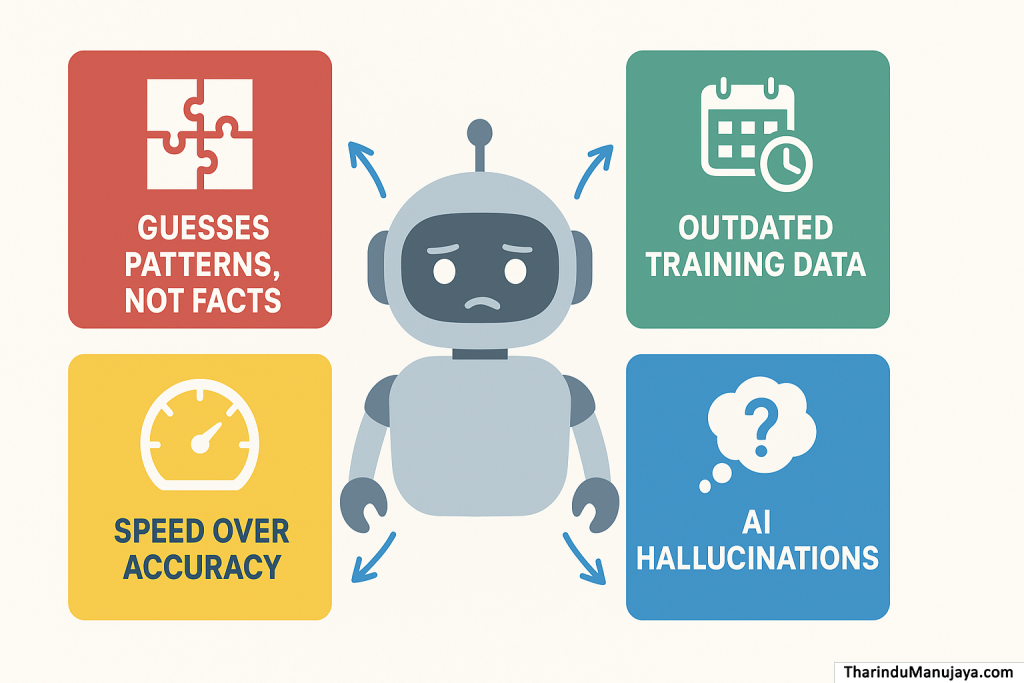
It’s Guessing Based on Patterns, Not Facts
ChatGPT doesn’t actually “know” things the way humans do. It’s basically a really sophisticated pattern-matching system.
When you ask it something, it’s predicting what the most likely response should be based on all the text it was trained on. It’s not looking up facts in a database or checking sources.
Think of it like this: if you asked someone to complete the sentence “The capital of France is…” they’d probably say “Paris” because that’s the pattern they’ve learned.
But ChatGPT might confidently say something wrong if the patterns in its training data were misleading.
Training Data Problems
ChatGPT learned from tons of text from the internet, books, articles, you name it. But here’s the problem – not all of that information was accurate.
If there were errors, outdated info, or just plain wrong stuff in its training data, ChatGPT absorbed all of that too. Garbage in, garbage out, as they say.
Plus, its knowledge has a cutoff date. So anything that happened after its training might be completely unknown to it.
The “Hallucination” Problem
This is the big one. AI researchers call it “hallucination” when ChatGPT makes up convincing-sounding information that’s completely false.
It doesn’t know it’s making stuff up. In its “mind,” it’s just following patterns and generating what seems like a reasonable response. But sometimes those patterns lead to totally fabricated answers.
I’ve seen ChatGPT create fake scientific studies, made-up book titles, and even non-existent historical events. All delivered with complete confidence.
Speed Over Accuracy
One Reddit user pointed out something interesting: ChatGPT seems programmed to answer fast rather than accurately.
They noticed that when they corrected ChatGPT’s wrong answers, it immediately knew the right information. So why didn’t it give the correct answer in the first place?
The user suggested it’s because ChatGPT prioritizes speed – giving you an answer in milliseconds rather than taking time to be more accurate.
Honestly, this makes sense from a user experience perspective, but it’s frustrating when you need reliable information.
Does ChatGPT Ever Tell You That You’re Wrong?
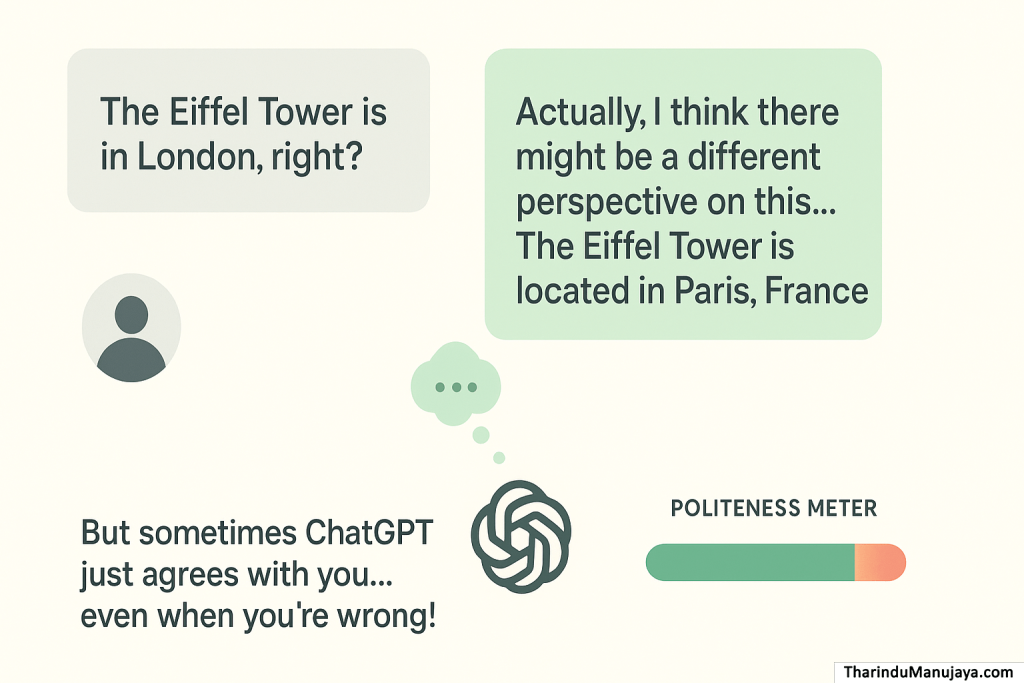
Here’s another interesting question people ask: will ChatGPT correct you if you’re wrong?
In my experience, ChatGPT is usually pretty polite about disagreeing. It might say something like “I think there might be a different perspective on this” or “Actually, from what I understand…”
But it’s not always great at this. Sometimes it’ll just go along with whatever you say, even if you’re completely wrong.
It’s been trained to be helpful and agreeable, which sometimes means it won’t push back on incorrect information.
This is why you shouldn’t rely on ChatGPT to fact-check your own knowledge. Just because it agrees with you doesn’t mean you’re right.
How to Get Better Answers from ChatGPT
Alright, enough about the problems. Let’s talk solutions. Here’s how to reduce the chances of ChatGPT giving you wrong answers:
Be Super Specific with Your Prompts
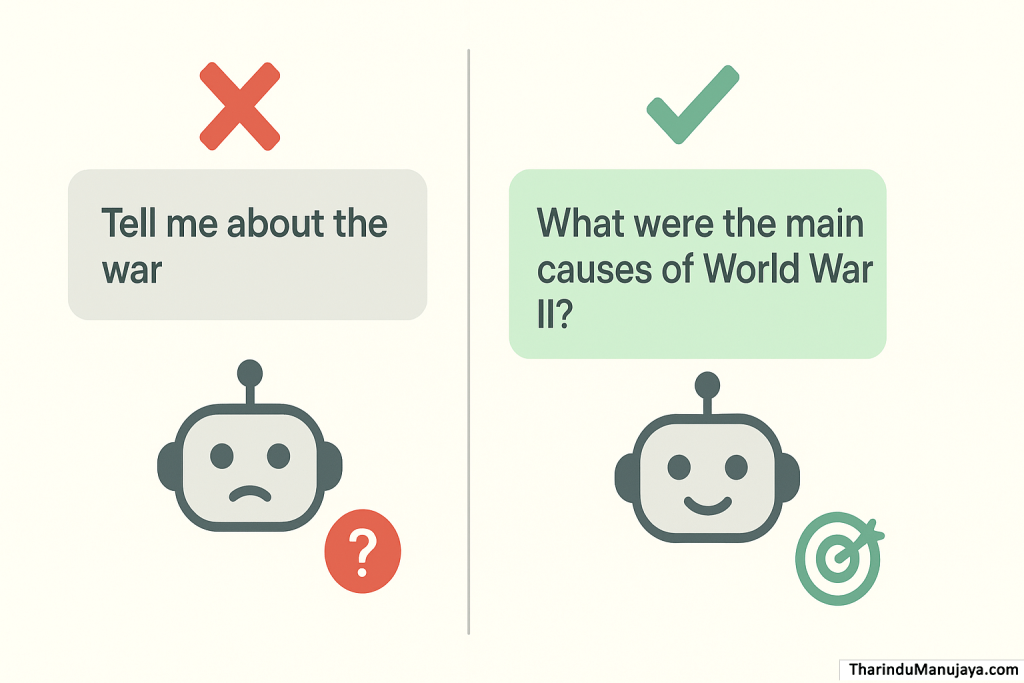
Vague questions get vague (and often wrong) answers. Instead of asking “Tell me about the war,” ask “What were the main causes of World War II?”
The more context and specificity you provide, the better ChatGPT can understand what you’re actually looking for.
Break Down Complex Questions

Don’t try to ask five different things in one prompt. ChatGPT gets confused and starts mixing up information.
Ask one clear question at a time. Get that answer, then build on it with follow-up questions.
Use the “Think Step-by-Step” Trick
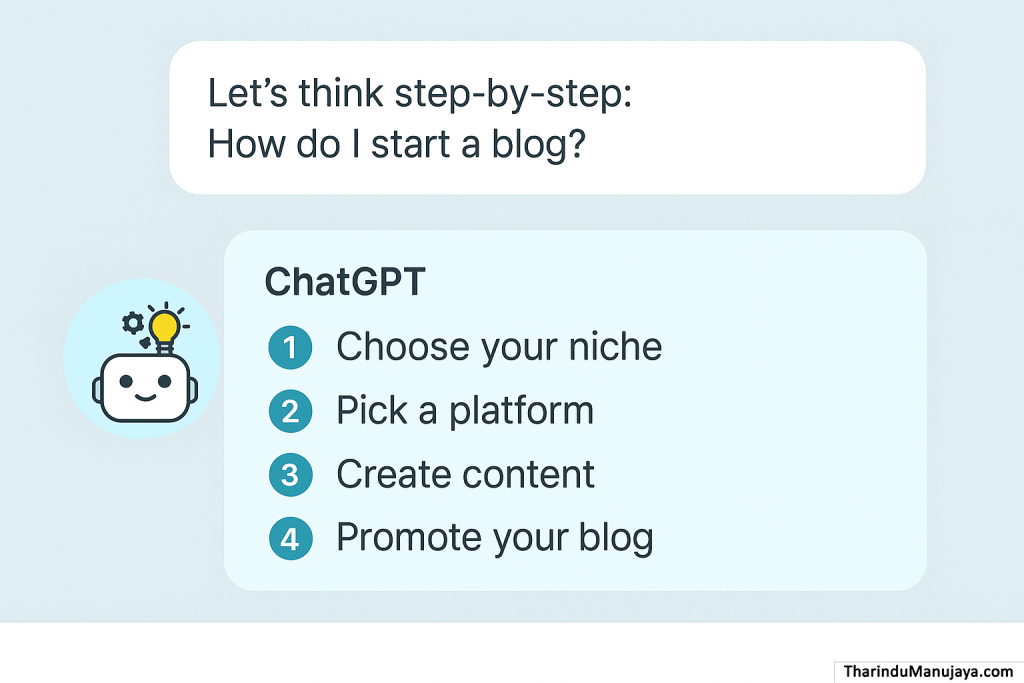
This is my favorite trick. Add “Let’s think step-by-step” to your prompt.
For some reason, this makes ChatGPT slow down and be more methodical in its reasoning. I’ve noticed way fewer errors when I use this approach.
Provide Examples
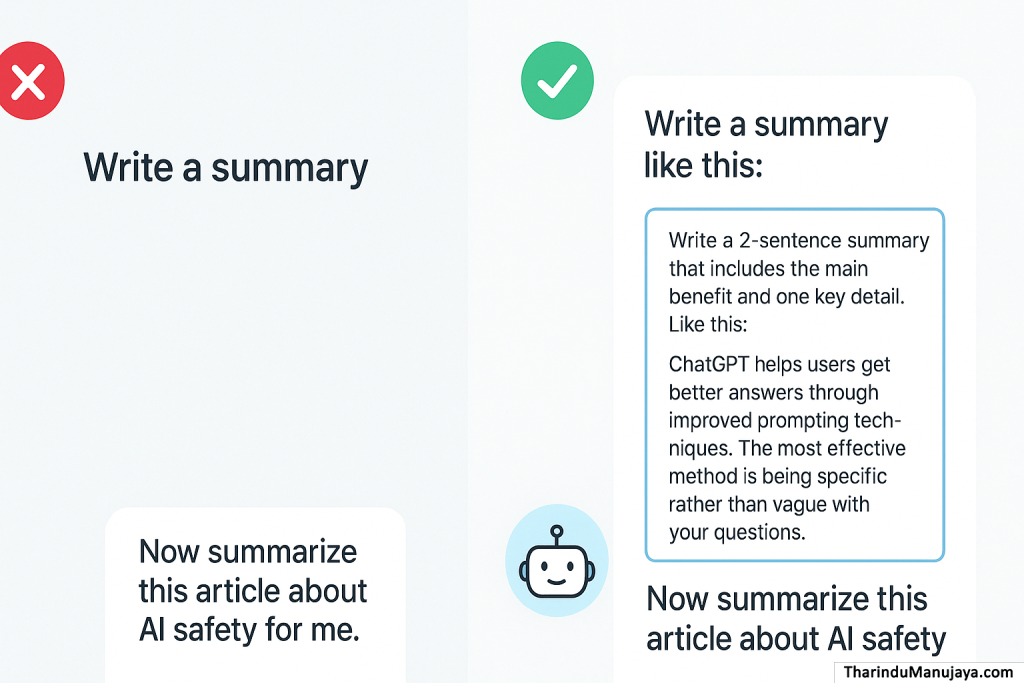
If you want a specific type of answer, show ChatGPT what you’re looking for with an example.
Instead of saying “Write a summary,” say “Write a summary like this: [example]. Now summarize this topic for me.”
Ask for Sources (Even Though It Can’t Really Provide Them)
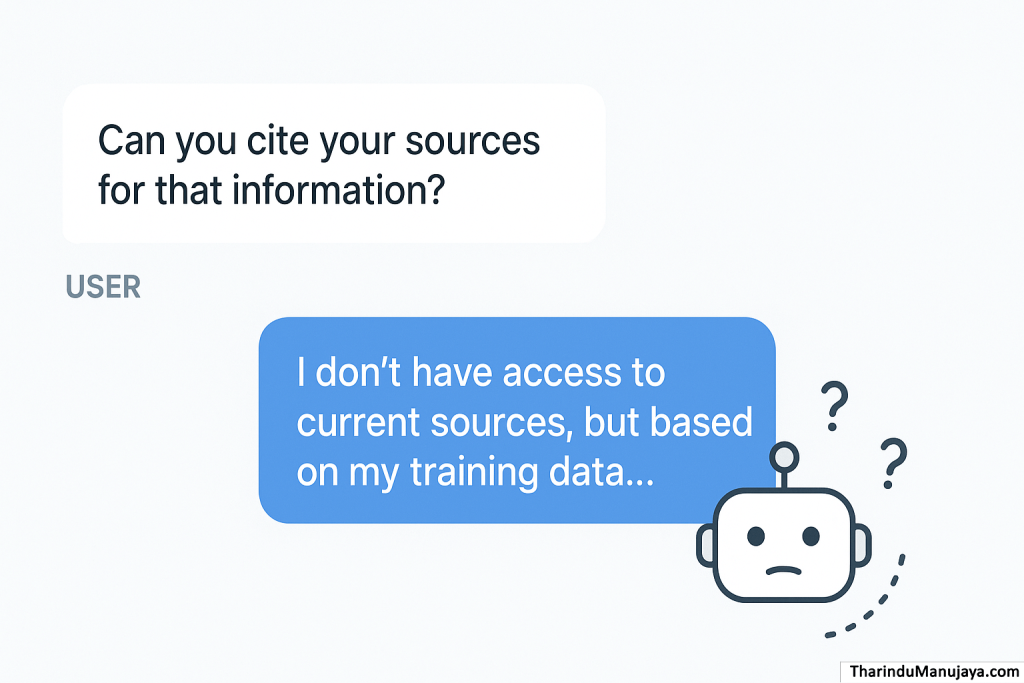
When you ask ChatGPT to cite sources or explain where it got information, it often becomes more careful about its claims.
It might say “I don’t have access to current sources, but based on my training data…” which at least signals uncertainty.
Double-Check Everything Important
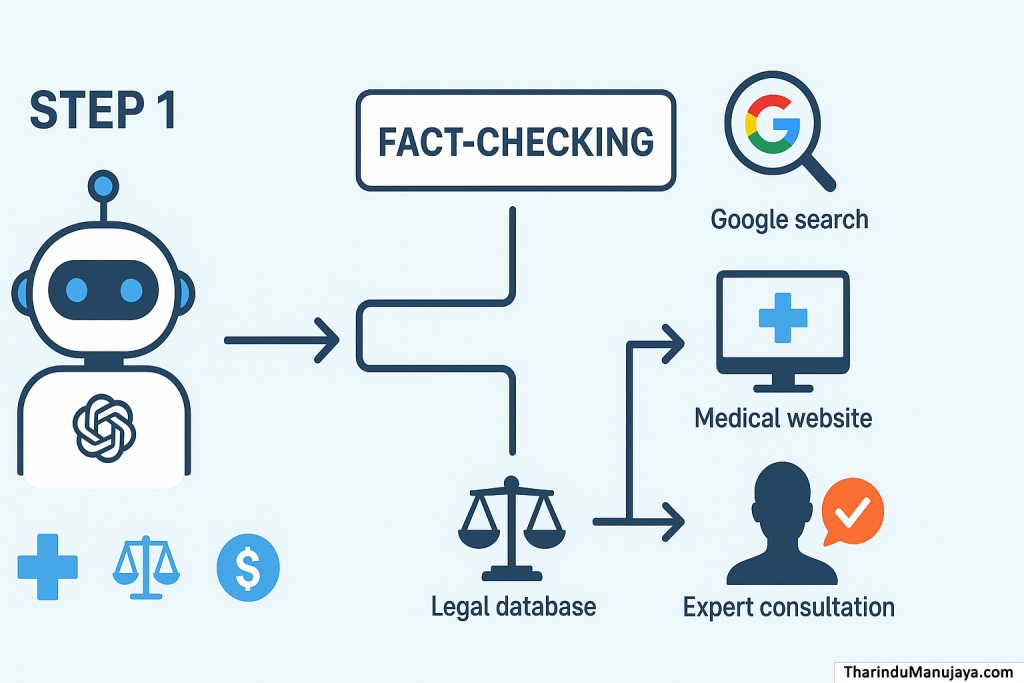
This should be obvious, but I’ll say it anyway: never trust ChatGPT for important decisions without verifying the information elsewhere.
Use it as a starting point, not the final word. Especially for medical advice, legal questions, or anything where being wrong could have serious consequences.
Red Flags That ChatGPT Might Be Wrong
Here are some warning signs that ChatGPT is probably giving you incorrect information:

Overly confident about obscure facts: If it’s giving very specific details about something really niche without any uncertainty, be suspicious.
Inconsistent information: If you ask the same question slightly differently and get different answers, something’s off.
No acknowledgment of uncertainty: Real experts say “I’m not sure” sometimes. If ChatGPT never admits uncertainty, that’s a red flag.
Information that seems too convenient: If the answer is exactly what you wanted to hear and confirms all your biases, double-check it.
Claims about very recent events: Remember, ChatGPT’s knowledge has a cutoff date. It can’t know about things that happened after its training.
What to Do When ChatGPT Gets It Wrong
When you catch ChatGPT in a mistake (and you will), here’s your action plan:

The image above shows the four key steps, but here’s the thing – most people skip final step and that’s a huge mistake.
Cross-referencing with multiple sources isn’t just about being thorough, it’s about building your own fact-checking skills.
I’ve found that correcting ChatGPT directly actually helps it give better responses in the same conversation. It’s like teaching it what you know.
My Personal Strategy for Using ChatGPT
Here’s how I personally handle the accuracy issue:
For creative tasks: I trust ChatGPT pretty freely. It’s great for writing, brainstorming, and creative problem-solving.
make sure to check out this article – 50+ ChatGPT Prompts for Artists and Creators
For factual information: I always double-check anything important. I use ChatGPT to get a quick understanding, then verify with other sources.
For learning: I treat ChatGPT like a study buddy, not a textbook. It’s great for explaining concepts, but I confirm details elsewhere.
For recent information, I don’t even bother asking ChatGPT about current events. I know it’s probably outdated.
This approach has saved me from relying on wrong information while still getting massive value from the tool.
Final Thoughts
ChatGPT giving wrong answers is frustrating, but it’s not going away anytime soon. These AI systems are incredibly sophisticated, but they’re still not perfect.
The good news is that understanding why these errors happen makes you a much better user.
You know what to watch out for, how to ask better questions, and when to be skeptical.
Just use it smartly. Be specific with your prompts, double-check important information, and remember that it’s a tool to augment your thinking, not replace it.
And hey, even humans are wrong sometimes. At least ChatGPT doesn’t get offended when you correct it!
YOU MIGHT ALSO LIKE THESE
50+ ChatGPT Prompts for Artists and Creators

Iâm Tharindu, sharing my experiments, insights, and the things that inspire me, from AI-generated art and prompts to digital aesthetics and creative ideas.