How AI is Changing the Workplace: Skills Everyone Should Learn
AI has moved from science fiction to your daily work routine faster than most of us expected.
I’ve watched it shift from a futuristic concept to something coworkers mention in regular meetings.
The workplace is changing, and pretending it’s not happening doesn’t help anyone.
This isn’t one of those articles that tells you robots are taking all the jobs or that AI will solve everything.
The reality sits somewhere in the middle, and understanding that middle ground matters if you want to stay relevant in your career.
What’s Actually Happening Right Now
AI tools are handling tasks that used to take hours. Customer service chatbots answer basic questions so human representatives can deal with complex issues.
Marketing teams can generate first drafts of content in minutes, rather than staring at blank pages.
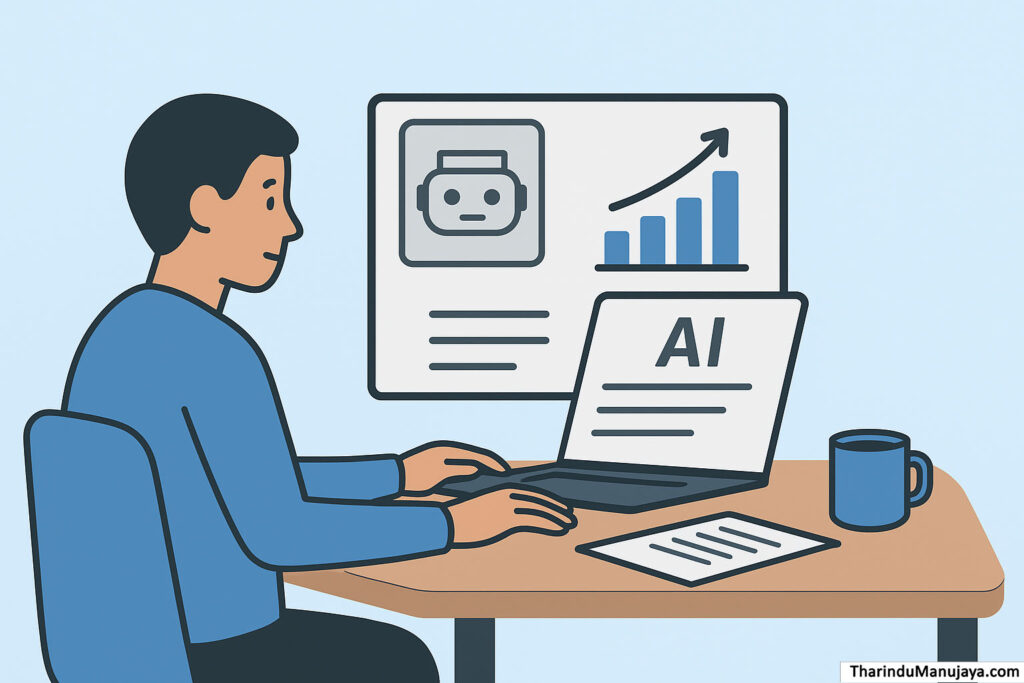
Developers use AI to debug code and suggest solutions faster than searching through documentation.
My friend, who works in HR, mentioned that their company has started using AI to screen initial job applications.
It filters through hundreds of resumes for basic qualifications before human recruiters review the promising candidates.
She has mixed feelings about it â the time savings are real, but she worries about what the AI might miss.
The pattern I keep seeing is this: AI handles repetitive, time-consuming tasks while humans focus on work that requires judgment, creativity, or personal connection.
That division is reshaping what employers value in workers.
Jobs That Are Changing Fast
Some industries are feeling the impact more than others. Content creation, customer service, data entry, basic graphic design, and entry-level programming are all shifting quickly.
If your job involves doing the same task repeatedly with predictable inputs and outputs, AI can probably learn to do parts of it.
But here’s what people miss when they panic about job loss â most jobs aren’t just one task.
A customer service role includes empathy, understanding context, handling upset customers, and making judgment calls that AI can’t reliably make yet.
A content writer researches, interviews sources, understands audience nuance, and makes creative decisions beyond just putting words in order.
The jobs disappearing completely are rare. What’s more common is that jobs are evolving.
The skills that mattered five years ago might not be enough anymore, but new opportunities are opening up for people willing to adapt.
Skills That Matter More Now
Understanding How to Work With AI
You don’t need to become a programmer, but you need to understand what AI can and can’t do. Learning to use AI tools effectively is becoming as basic as knowing how to use email or spreadsheets.
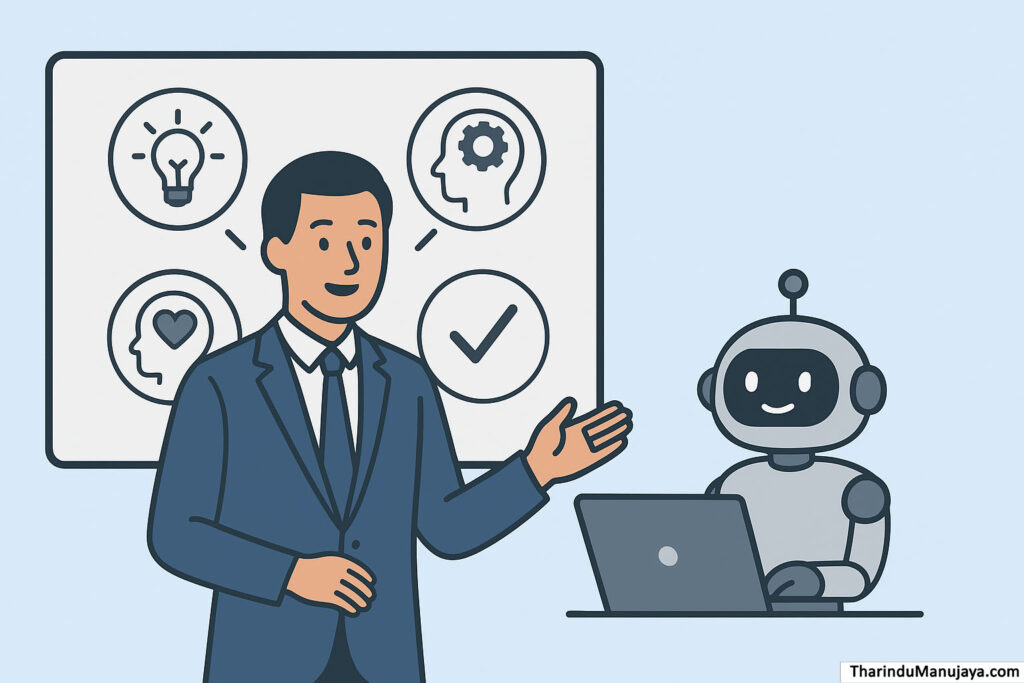
This means getting comfortable with tools like ChatGPT, Midjourney, or industry-specific AI applications.
Play around with them. Test their limits. Figure out what prompts give you useful results versus garbage output.
The people who learn to collaborate with AI tools will outperform those who refuse to touch them.
I spent weeks testing different ways to phrase requests to AI writing tools. The difference between “write a blog post about cats” and a detailed prompt with context, audience, tone, and specific requirements is massive.
That skill â knowing how to communicate effectively with AI â is valuable.
Critical Thinking and Verification
AI makes mistakes confidently. It generates text that sounds authoritative even when it’s completely wrong.
As AI-generated content floods the internet, the ability to verify information, spot inconsistencies, and think critically becomes more valuable, not less.
I’ve seen AI tools confidently cite studies that don’t exist, mix up dates, and create plausible-sounding but factually incorrect information.
Someone needs to catch these errors, and that someone is a human with critical thinking skills and the patience to fact-check.
This extends beyond just AI output. As more content gets generated artificially, distinguishing between quality information and AI-generated noise matters.
Employers value workers who can filter the signal from the noise.
Creativity and Original Thinking
AI is really good at remixing existing ideas. It’s not great at genuine originality or understanding what’s never been done before.
Creative problem-solving, innovative thinking, and the ability to connect unrelated concepts in new ways remain firmly human territory.
Sabine Hossenfelder
When everyone has access to AI tools that can generate competent work quickly, what sets you apart is the original thinking you bring.
The creative leaps, the unusual solutions, the ideas that AI wouldn’t generate because they require understanding context in ways machines don’t.
I’ve noticed this in writing. AI can produce a decent first draft, but it takes a human to inject personality, make it interesting, or craft something that actually stands out.
The same applies to design, strategy, product development, and most creative work.
Emotional Intelligence and Human Connection
The more automated our work becomes, the more valuable the human connection becomes.
Skills like empathy, reading social cues, building relationships, understanding unspoken needs, and navigating complex interpersonal dynamics can’t be replicated by AI.
Jobs that require genuine human connection are safer from automation.
Therapists, teachers, nurses, salespeople who build relationships, managers who motivate teams â these roles rely on emotional intelligence that AI fundamentally lacks.
Even in tech-heavy fields, the people who advance are often those who can communicate well, collaborate effectively, and understand what their team needs. Technical skills matter, but soft skills determine who leads.
Adaptability and Learning Agility
Technology changes fast. The specific tools you learn today might be outdated in two years.
What matters more is your ability to learn new systems quickly and adapt to changing workflows.
I’ve seen people in their 50s and 60s thrive in AI-integrated workplaces because they stayed curious and willing to learn.
I’ve also seen people in their 20s struggle because they got comfortable with one way of doing things and resisted change. Age isn’t the factor â mindset is.
Being comfortable with uncertainty helps. The workplace is shifting continuously, and the people who can roll with changes rather than fight them have a huge advantage.
Prompt Engineering and AI Collaboration
This is a newer skill that’s becoming surprisingly important.
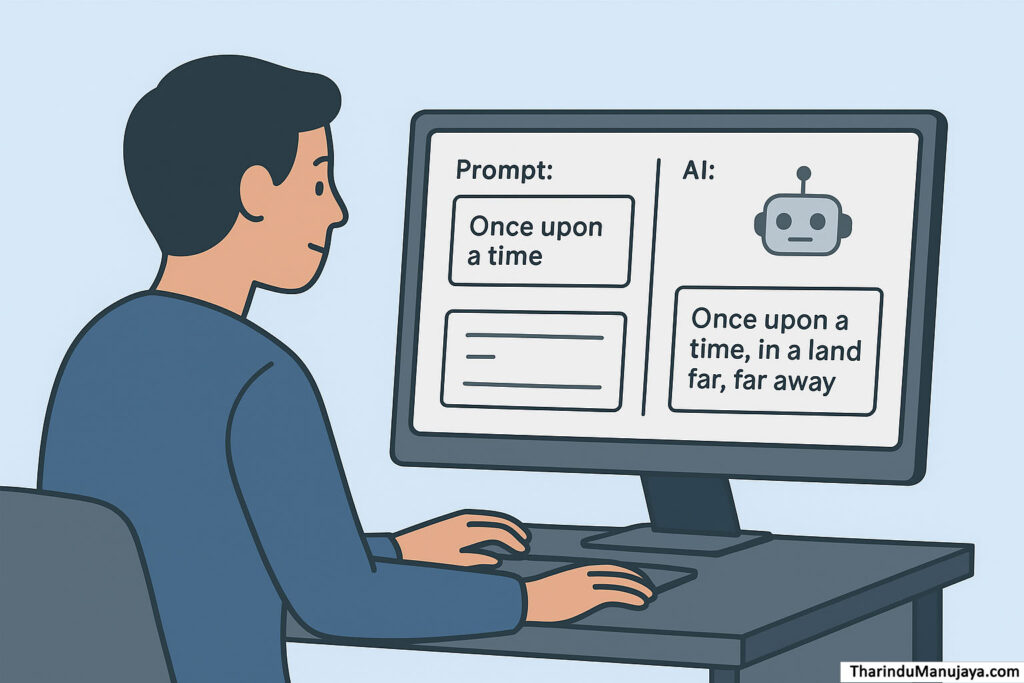
Prompt engineering means knowing how to phrase requests to AI tools to get useful results. It sounds simple, but there’s actually a learning curve.
Good prompts provide context, specify the desired format, set the appropriate tone, and include relevant constraints.
Bad prompts give you generic, unusable output. The difference between the two is a skill that takes practice.
Some companies are hiring prompt engineers specifically for this.
But even if that’s not your job title, understanding how to get the most out of AI tools makes you more effective at whatever you do.
What You Should Start Doing Now
Experiment With AI Tools
Stop waiting for the perfect moment to learn. Pick an AI tool relevant to your field and start using it. Make mistakes.
Generate terrible outputs. Figure out what works through trial and error.
Most AI tools have free versions or trials. ChatGPT, Claude, Midjourney, Runway, Grammarly, Copy.ai â pick one and spend 30 minutes a day for a week just playing with it.
You’ll learn more through experimentation than reading articles about it.
Identify Which Parts of Your Job AI Could Handle
Be honest about your work. Which tasks are repetitive? Which could be automated? Which require human judgment?
This isn’t about getting yourself replaced â it’s about positioning yourself to focus on higher-value work.
If AI can handle the boring parts of your job, you get to spend more time on the interesting parts. But you need to understand your role well enough to make that distinction.
Focus on Skills AI Can’t Replicate
Invest time in developing your uniquely human skills. Take that course on negotiation. Work on your presentation skills.
Build your network. Get better at understanding what people need, even when they don’t articulate it clearly.
These aren’t the flashy skills that get hyped on LinkedIn, but they’re the ones that keep you valuable as AI handles more technical tasks.
Stay Informed But Not Paralyzed
Keep up with AI developments in your industry, but don’t let fear stop you from taking action.
The people who will struggle aren’t necessarily those whose jobs are most affected by AI â they’re the ones who freeze up and don’t adapt.
Read about what’s changing. Talk to colleagues about how they’re using new tools.
Attend a webinar or workshop. Stay engaged without spiraling into anxiety about it.
Build a Diverse Skill Set
Don’t put all your eggs in one basket. If your entire value proposition is a skill that AI is getting good at, branch out.
Learn complementary skills that make you more versatile.
A graphic designer who also understands marketing strategy is more valuable than one who only does design.
A programmer who can communicate technical concepts to non-technical stakeholders stands out.
Think about combinations of skills that make you harder to replace.
The Real Talk Nobody Wants to Hear
Some jobs will disappear. Some industries will shrink. People will need to retrain, and that’s not easy or fair, especially for those later in their careers who’ve built expertise in fields that are becoming automated.
The promise that “AI will just make everyone’s job easier” is too simplistic. There will be a disruption.
There will be job losses. Pretending otherwise doesn’t help anyone prepare.
But here’s the other side: new jobs are being created.
AI ethics specialists, machine learning ops engineers, AI trainers, prompt engineers, synthetic media producers â these roles barely existed five years ago. The job market is changing, not disappearing.
The people who will thrive are those who stay flexible, keep learning, and position themselves at the intersection of human skills and AI capabilities.
That’s not everyone’s natural inclination, and that’s okay. But it’s the reality we’re dealing with.
What This Means For You Specifically
If you’re early in your career, build a foundation that combines technical literacy with strong human skills.
Learn to use AI tools, but also develop communication, creativity, and problem-solving abilities that machines can’t replicate.
If you’re mid-career, assess which aspects of your expertise are enhanced by AI versus threatened by it.
Double down on the parts that make you irreplaceable while learning to leverage AI for the rest.
If you’re later in your career, your experience and judgment are valuable â AI can’t replicate decades of understanding context and making nuanced decisions.
Learn enough about AI tools to stay relevant, but don’t feel like you need to become a tech expert overnight.
Final Thoughts
AI is changing the workplace, whether we like it or not. Trying to fight it wonât help; itâll just leave you behind.
Instead, itâs about understanding whatâs happening and adjusting as you go.
You donât need to become an AI expert or stress about robots taking over your job.
What matters is staying curious, learning new tools, and focusing on the skills that will still matter as technology moves forward.
The workplace in five years wonât be the same, but those who stay flexible and prepared wonât be caught off guard.
Start learning now, keep an open mind, and remember: being human is still your biggest strength. Just make sure to lean into the things that only you can bring to the table.
YOU MIGHT ALSO LIKE THESE
50+ ChatGPT Prompts for Artists and Creators
Complete Guide to Character AI

Iâm Tharindu, sharing my experiments, insights, and the things that inspire me, from AI-generated art and prompts to digital aesthetics and creative ideas.